Gayatri Sethi’s Diaspora-ish is a book for this time.
What does it mean to not belong to the place you inhabit, or to have been uprooted from a place that no longer exists, or to have been severed from language and kin and community? What does it mean to have existed in a “place” since the dawn of time and yet be the “other”? What does it mean have traveled across time and space to a place you call “home” and have that place deny & destroy your existence? What does it mean have been kidnapped, taken to a place, made it home, yet made into the eternal opposite & the eternal problem?
In the face of these problems, how do we build a world in which all of us can exist and thrive? In 2026 this is the urgent question that humanity – all of us – must confront boldly if we are to exist. This is the question of Gaza, and Darfur; it is the question in Anishinaabe and Dakota lands (Minnesota) and Chicago, the question in Damascus, the question in Cape Town.
Diaspora-ish is a guide for thinking through the questions of “Identities, Unbelonging, & Solidarities” that our collective “now” demands.
Diaspora-ish traverses collective memory and personal memoir. It is a work that refuses borders, labels, categories – the verses challenge the page, disrupt the line, break free into the soul.
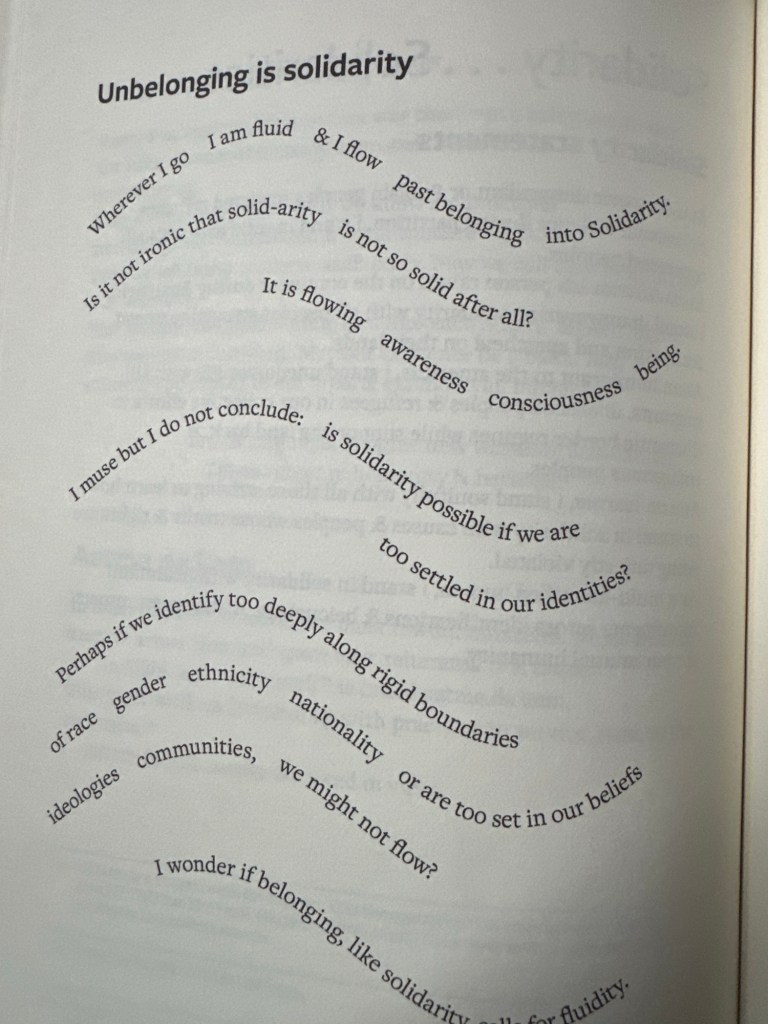
It is grounded in Sethi’s diaspora-ish trajectory: she grew up in Tanzania as the child of dis-abled diasporic South Asian parents who survived Partition; as a teen she and family relocated to Botswana in apartheid’s shadow; as a young adult she left Botswana to study and live a green-carded existence in america.
“Diaspora-ish” the term interrogates the very notion of imposed identities. In two beautifully coupled verses “Diaspora” and “-ish?”, she presents the contradictions.
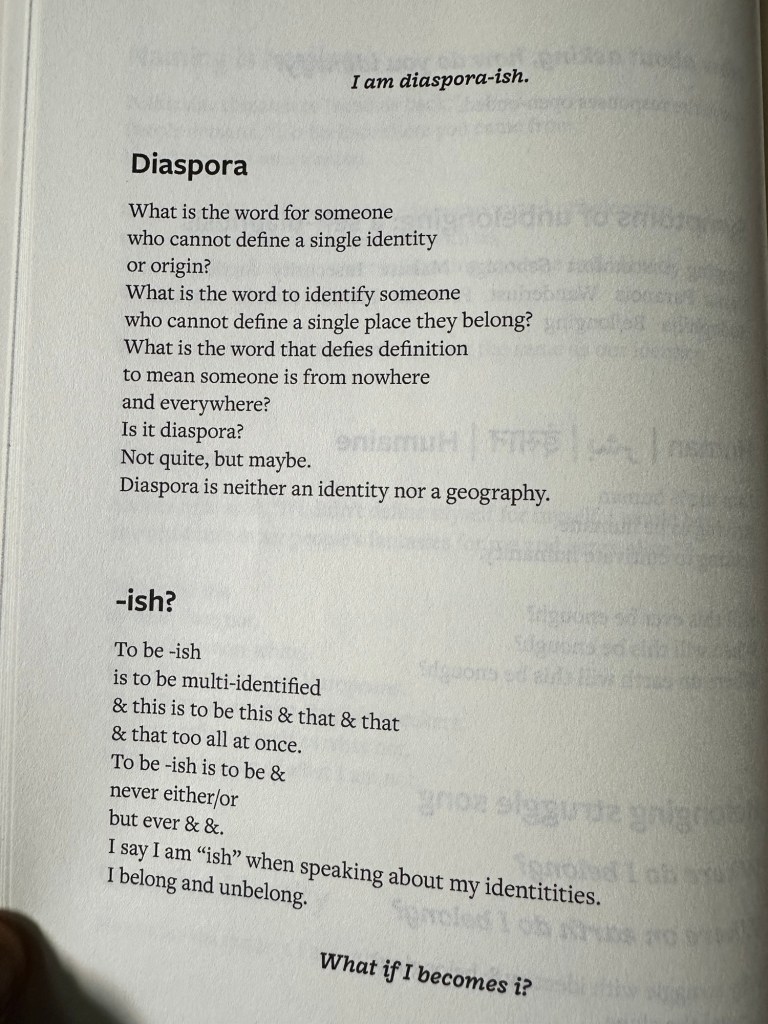
Diaspora-ish speaks directly to the millions of young adults searching for, grappling and struggling with belonging across space and time and border. Please make sure it finds its way to their eyes and ears and touch. It is a love note, a lovingly brewed and spiced healing chai for them:
But this is also a book for their teachers – inside and out of schools – because they too must rethink, relearn, and re-imagine. It is a book for care-givers, families (chosen and otherwise) and communities seeking to build the spaces up to the challenge of our “now”.
Diaspora-ish is a de-colonial workbook that gets to the root of healing and growing beyond the trauma of colonial crossings and bondage. In verses like “Immigrant Trauma Response” the words center the heart and mind calling us back to the ground of care.
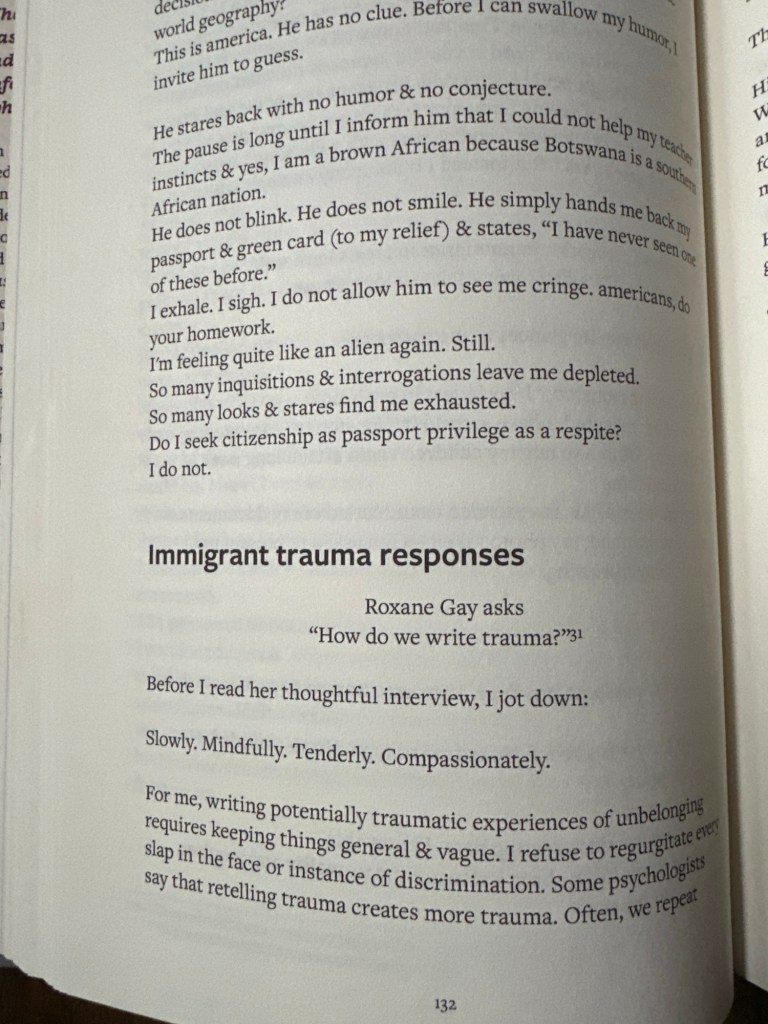
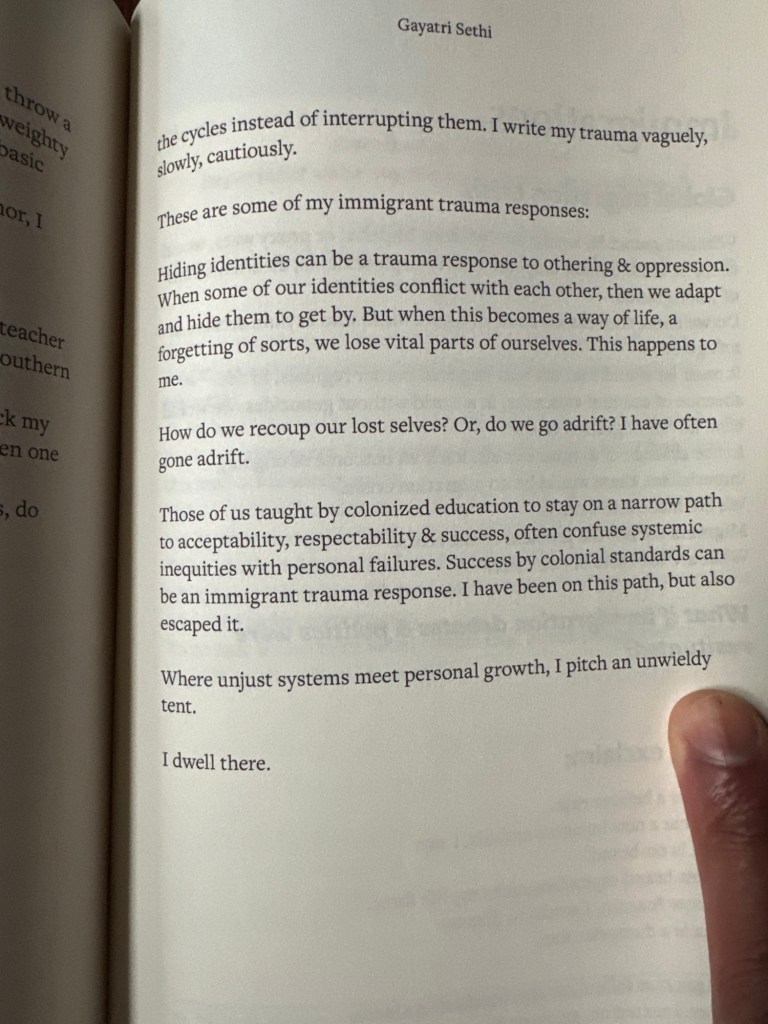
Each chapter ends with the reflections, calls to study, and mindfulness that encourage the reader to relearn and rethink and rebuild.
A sampling of reflections include:
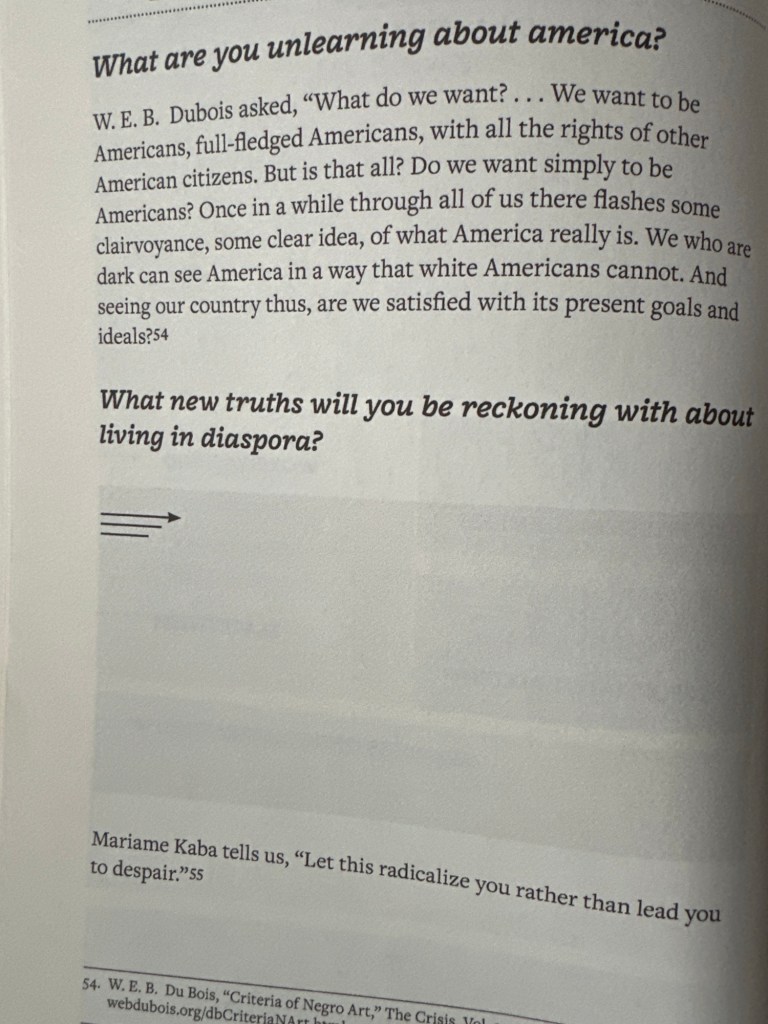
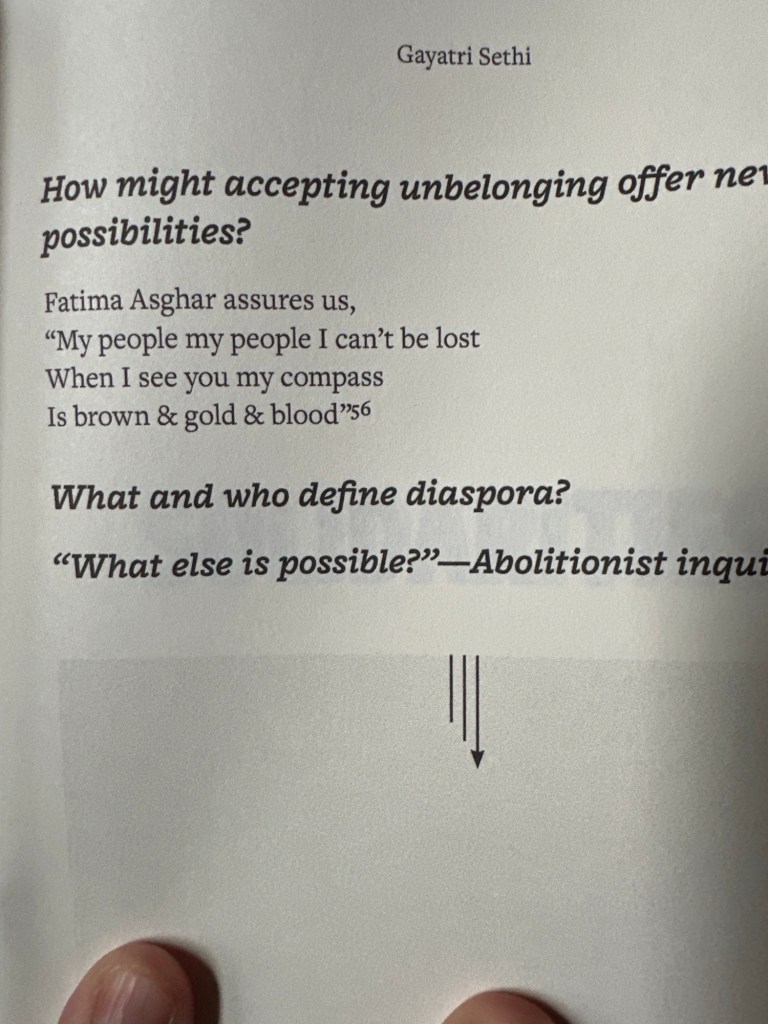
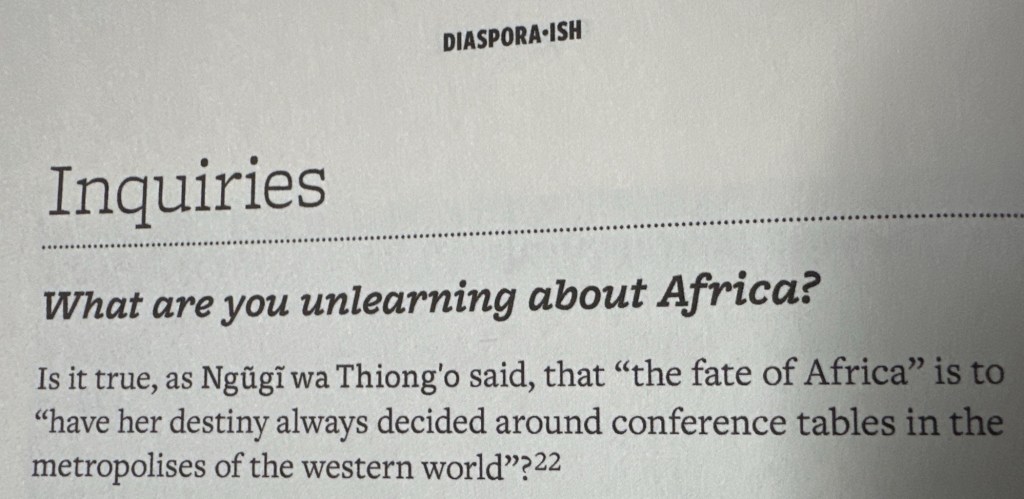
Diaspora-ish is no less than a transit station of the mind. Like the books and poems in George Jackson’s prison cell, it opens tens of portals to the worlds that must be. It is an answer to Mariame Kaba’s question, re-posed near the book’s end “What else is possible?”
May you find your way to this book, may it weave its rhythms in your heart and in the discussions, and change that it will inspire as you engage with it in collectives.

 Charles write here